

Led by La Trobe University researcher and teacher educator Dr Juliana Ryan, the study canvassed the views of nine Victorian principals working in complex and under-resourced contexts to shed a light on the kind of candidates that actually stay – and thrive – in their schools.
The voice of school leaders is largely missing in public debate around the teacher attrition and retention problems impacting communities across the country, Ryan tells EducationHQ.
“We really wanted to amplify their perspectives and voices to understand ‘what does graduate teachers’ readiness look like on the ground in those specific contexts?’”
“Because those principals are such major stakeholders in this – we need to understand what they want, what they need.”
A few clear themes emerged from the findings.
Firstly, while principals did talk about technical competencies – behaviour management skills, instructional knowledge, teamwork skills and the like – these weren’t front of mind when sizing up applicants.
Rather, it was graduate teachers’ moral purpose in the profession they prized the most.
“That one really stood out for me,” Ryan says of the finding.
“… because it’s a very different way of talking about ‘ready’ graduate teachers from the focus that’s a lot more prominent in policy and in public debate, which really focuses on teachers having these professional competencies that they can take and be ready for pretty much any context.”
School context is a critical yet often overlooked factor in our assessment of what teacher ‘readiness’ looks like, Ryan suggests.
Principals in the study commonly spoke about the importance of finding teaching staff that would be accepting of, and fit in with, the broader school community.
“That was a really important thing, because remembering that we were focusing on schools that have these unique challenges around attracting and keeping teachers, and so they’re schools that are located in communities that might also have complexities and challenges there as well.”
Principals sought out candidates that saw the value in coming to their school, and didn’t see the opportunity as a mere stepping stone to further their career elsewhere, Ryan adds.
“They talked about (seeking out) graduates who became teachers because they wanted to make a difference for students in spite of the challenges that they faced.
“And then they had that motivation. It wasn’t, ‘I’ve been given an incentive’ or ‘it’s a stepping stone to somewhere else’.
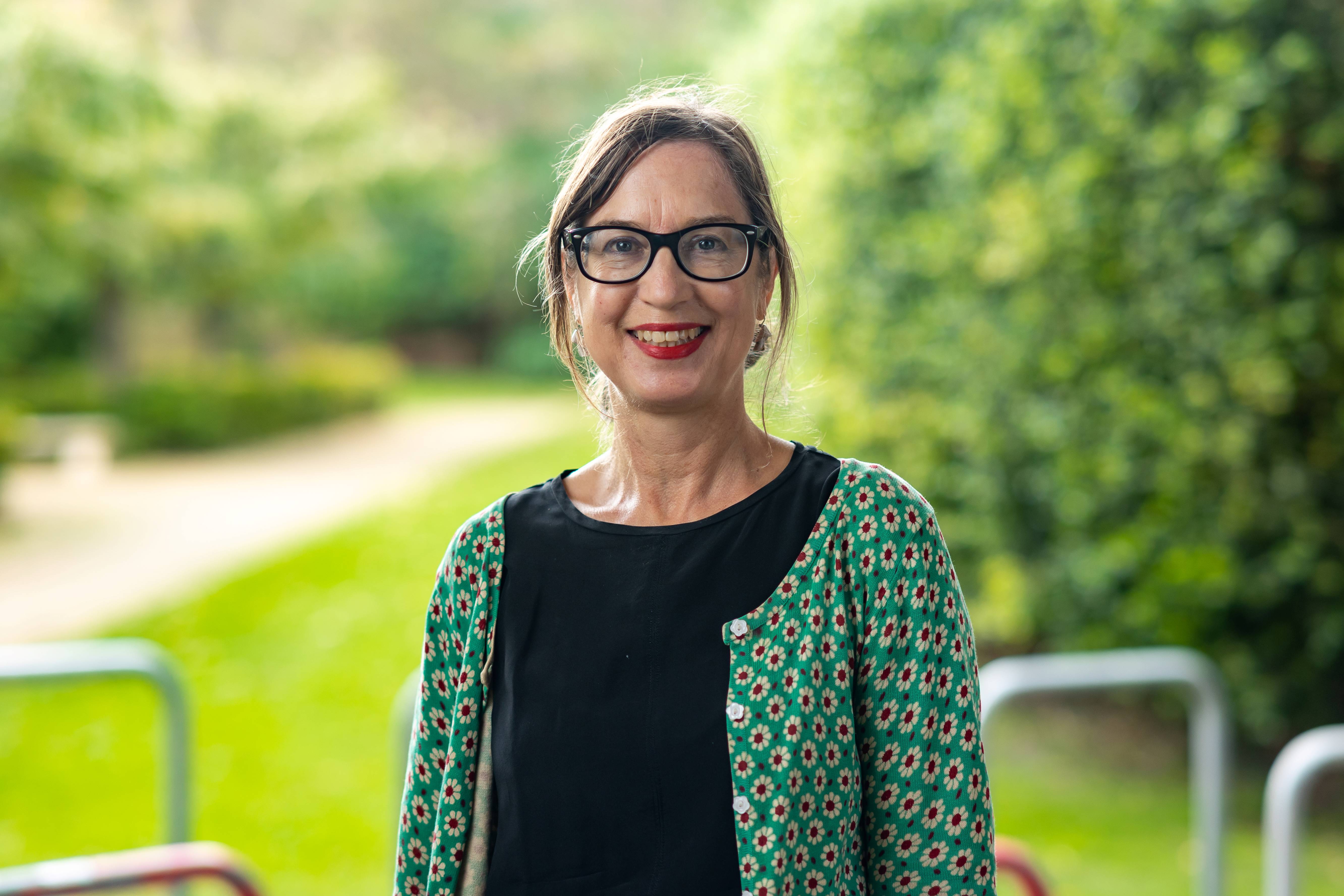
Dr Juliana Ryan doesn’t believe teaching should be positioned as a sacrificial profession.
Nadia, principal of a regional P-12 school, reported intrinsic motivation was essential if teachers were going to choose to stay in her community.
“[They’ve] chosen teaching for the right reason. I guess that they want to be teachers to make a difference for our kids, I think is really important …
“It’s a tough gig being a teacher these days … if they’ve come in thinking that they’re going to get some kind of incentive [or] that they’re the stepping stone to something else that they might want to do, you don’t last.”
Graduates with ‘practices of care’ were also highly valued by school leaders in challenging contexts, the research found.
As the principal of an outer regional P-12 school put it:
“We’ve got a teacher here right now, who is an amazing operator and works extremely hard, knows their content, is really good, but that human side of it, and being empathetic to whatever might be going on in the kids’ lives and their families’ lives, that it isn’t there. And, and it’s a really hard thing to teach someone, like changing someone’s personality … it doesn’t work.”
Having a strong ‘call to service’ was a strong predictor of a teacher being a good fit in a hard-to-staff school, Ryan indicates.
“What the principals told us is, it’s really vital if you’re going to accept and be accepted into a community that may have had intergenerational challenges and complexities and disadvantages, you need to have that strong call to service in order to be able to contribute to that community and thrive in that community as well.”
Ryan is quick to clarify that she doesn’t believe teaching should be positioned as a sacrificial profession.
This is certainly not what the study suggests either, she says.
“One of the things that is really strong in this ‘call to service’ (finding) is it’s reciprocal – it’s not just that you’re going in there in service to others and you’re not getting anything back.
“It’s very much a mutually respectful relationship. It’s a reciprocal relationship.
“And just as you might find meaning from working with students and trying to make that positive difference in their life, that’s extremely rewarding when it’s going well…”
In July, University of Queensland research highlighted how ‘going above and beyond’ in teaching was simply an expectation of the job, with former teacher-turned researcher Glenys Oberg warning the ill-effects of this were acute and impacting educators right across the country.
Her study found evidence of ‘role overload’ at play, with teachers reporting they were ‘stretched thin’ in their attempts to balance responsibilities as educators, caregivers and administrators.
“We are told to balance being a carer, a social worker, and a teacher, but none of those roles are properly supported. It’s impossible to do them all well,” one teacher shared.
Indeed, teaching can’t be founded on a one-way dynamic, Ryan says.
“If you [can’t] care for yourself, how are you going to care for others? That’s a practical question, but it’s also a moral question.
“It goes to that reciprocity that I talked about.”
Ultimately, uniform standards that supposedly capture graduates’ capacity to teach are limited, with school context and ethical competency not factored in, the study concludes.
The research team are now leading a new study looking at what schools who are “quietly bucking the trend” in the attrition challenge are doing differently.
“These schools are not unicorns. They are real and they exist in the same policy and funding environments as those struggling with attrition,” the team explain in an AARE article.
“What sets them apart are the ways they’ve created spaces and structures that help their teachers stay the course.”
School principals keen to learn more about the La Trobe research team’s latest project are encouraged to reach out to Dr Babak Dadvand at b.dadvand@latrobe.edu.au