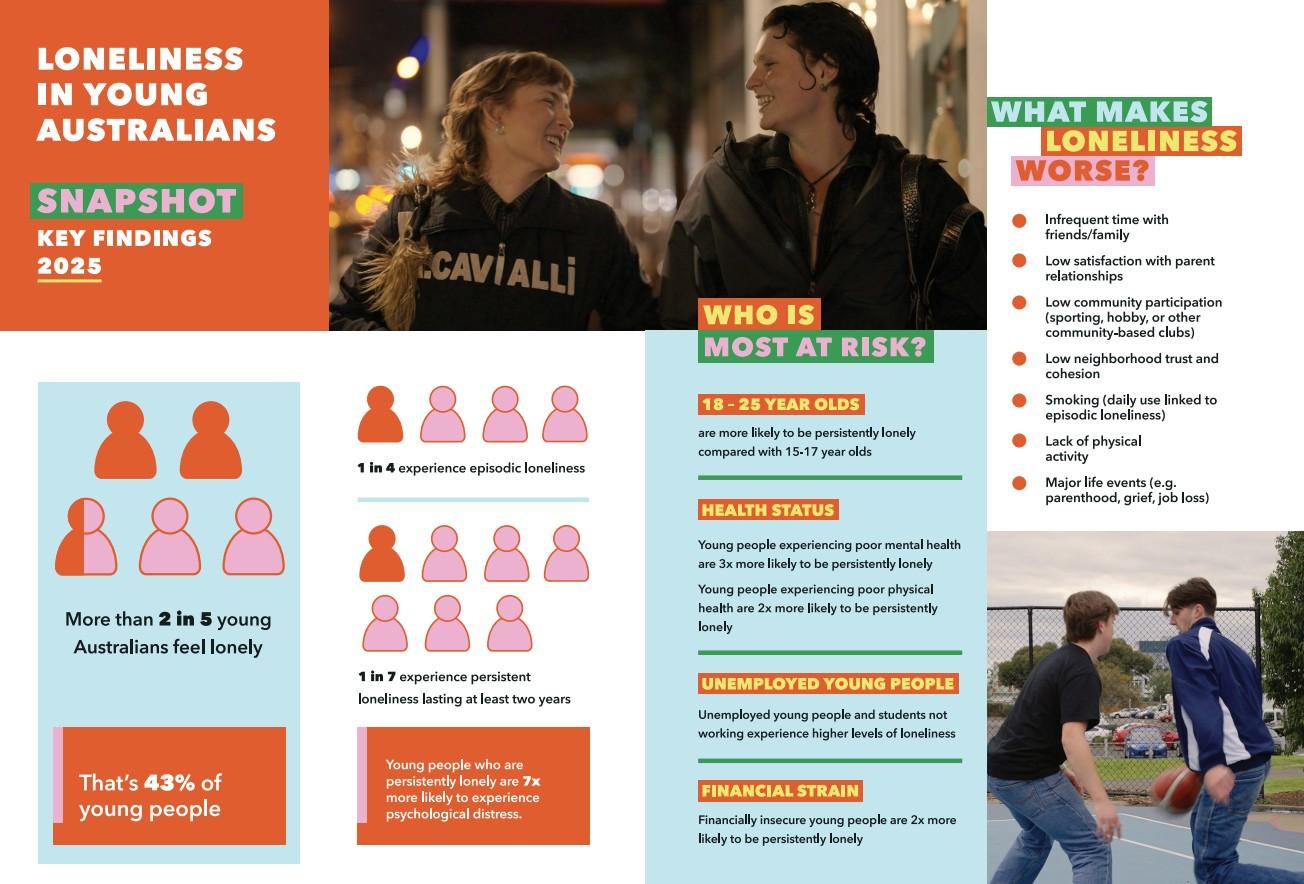
The findings, from a new national report by Ending Loneliness Together, titled A Call for Connection, have prompted warnings loneliness is becoming endemic, exacerbated by digital isolation, rising living costs and a lack of community spaces to connect face-to-face.
Ending Loneliness Together is a national organisation working to raise awareness and reduce the negative effects of loneliness and social isolation through evidence-based solutions and advocacy.
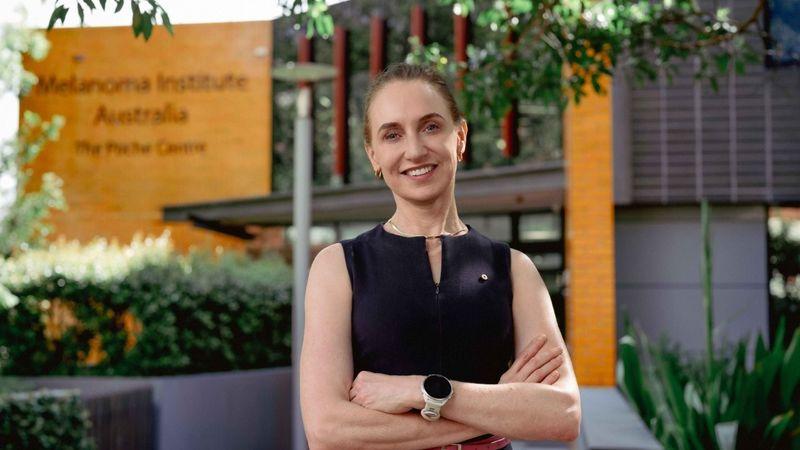
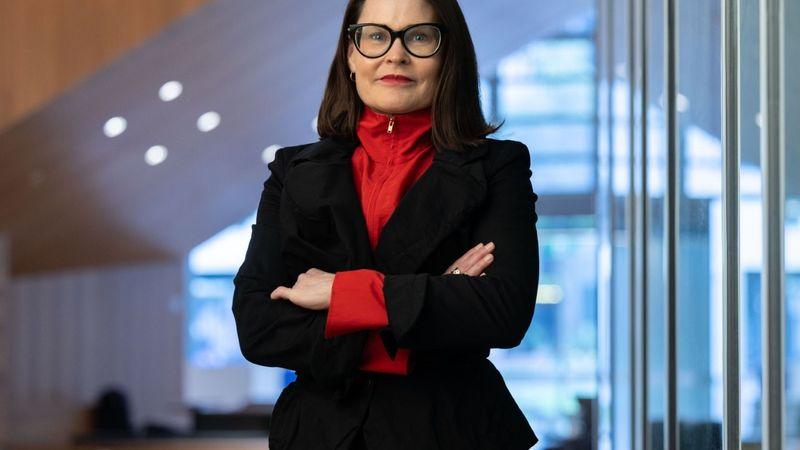
“There’s a lot of misconceptions that just because young people are so much embedded within the structures of society that they shouldn’t feel lonely,” Associate Professor Michelle Lim, scientific chair of Ending Loneliness Together and co-lead author of the report, says.
“This is a huge misconception because the way we define loneliness is very much a subjective feeling of the stress that comes up to you when you feel your relationships do not meet your current social needs.”
Naoka Cheah was just settling into student life at the University of Melbourne aged 19 when COVID hit, forcing her to return to Malaysia and complete much of her degree remotely.
“I went back thinking it’s probably just going to be a few months at most ... not a huge impact. But I was stuck back in Malaysia for more than a year,” she says.
“It was a very unreal experience, being apart from your other students, being apart from friends … and also trying to ace those exams and not fail. I think that’s something we were all struggling with.”
Now 25 and working as a data analyst in Melbourne, Cheah reflects on how her forced isolation also came with unexpected benefits.
“Initially it is a very scary experience but it pushes you to kind of face yourself,” she says.
“There’s a stigma of loneliness but it’s actually very important to then also have that time by yourself … to figure out what you actually love, what you actually hate.”

“We are very good at interventions. We’re very good at dealing with problems. We’re very good at throwing money at mental health and suicide. But we’re not very good at preventing these things,” Associate Professor Michelle Lim says.
Like many young professionals in a post-COVID world, Cheah now works mostly from home and makes a conscious effort to stay socially connected.
“I’m very lucky to have a team that’s very much inclusive and sociable but I will assume not everyone is lucky enough to have that environment,” she says.
“It can be very difficult to reach out. That first obstacle could be the hardest thing for people to overcome.”
Lim agrees that being alone is not the same as being lonely.
“By definition, young people are not often socially isolated ... they’re not actually physically alone ... but they are feeling very lonely,” she says.
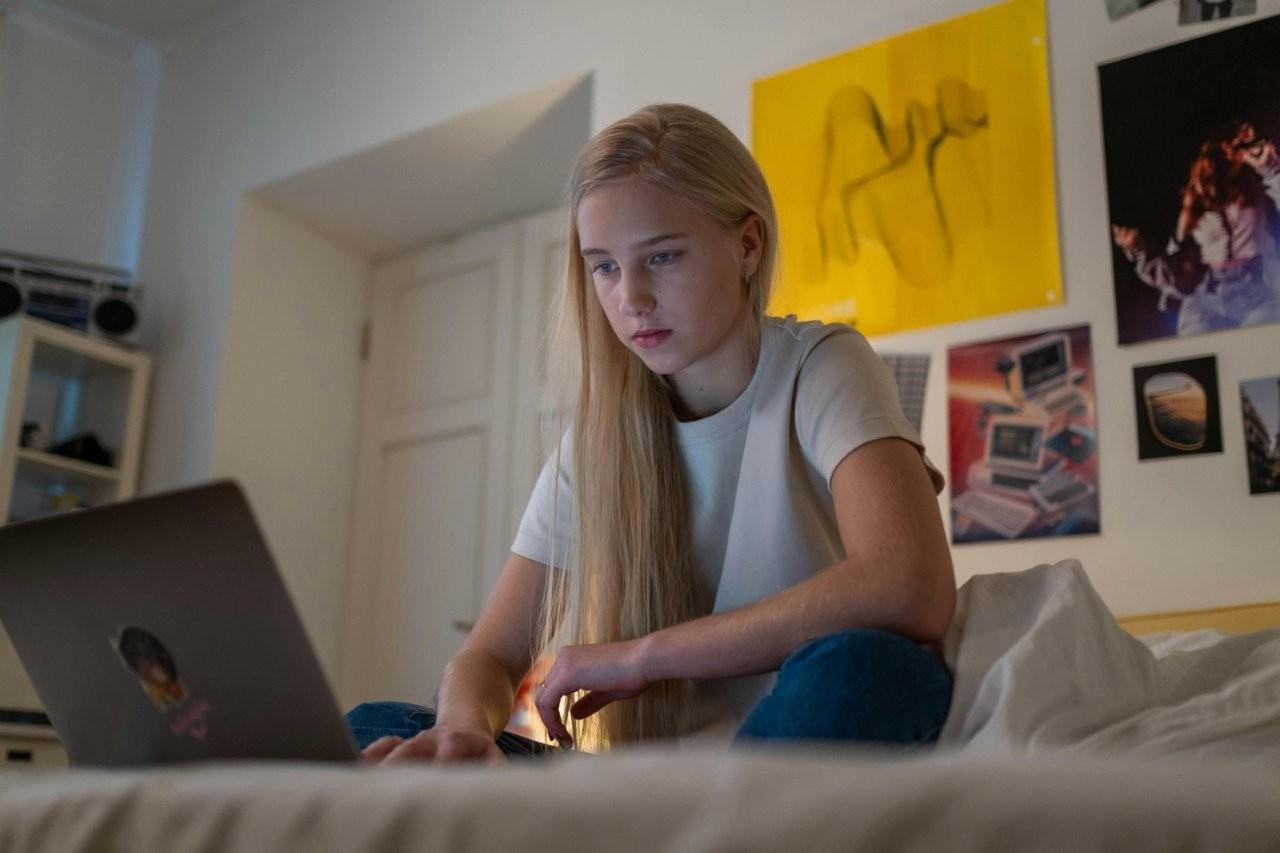
Digital technology, while offering new ways to connect, is also part of the problem.
“We haven’t really introduced good digital literacy, not just for our children but even for us as parents. As parents we model behaviours and with the increases of digital communication, we’re not doing a great job ourselves.
“We know we have to be able to get young people to have healthy social relationships in that digital world.”
Lim adds that for some young Australians – particularly those from the LGBTQI community or in regional areas – digital spaces can be essential.
“They say ‘I need that digital community because I don’t have people around me that are like me’.
“So there is a place for it but we haven’t quite taught young people how to navigate this very tricky social media world and digital world and how to use it for their benefit.”
Darcy Gilmour, a 25-year-old graduate from Canberra, understands this complexity all too well. Hospitalised at age 10 for two years due to rare blood disorders, he says the loneliness he experienced during and after was profound.
“That obviously created a big feeling of isolation,” he says.
“It was pretty tough.
“When I went to high school, I was just trying to reintegrate ... it was a big adjustment and I also experienced a lot of loneliness there. It was like being thrown in the deep end.”
Despite being constantly surrounded by nurses, classmates and family, he still felt isolated.
“I’d never spend any time actually alone but still had that incredible feeling of loneliness,” he explains.
Gilmour says those experiences have given him a deeper understanding of what true connection means.
“If I notice someone else is struggling to make friends, that’s also when I can tend to reach out a bit more because I’m able to recognise that pretty easily,” he says.
His advice is to be proactive – even when it’s hard.
“I’ve had a lot of times where you’re leading up to going to hang out with your friends and you’re, like: ‘oh, I don’t know if I’ll enjoy this. I’d rather just stay at home and just relax a bit alone and not stress’,” he says.
“But then you go out and you actually have a really good time.”
Loneliness isn’t just an emotional issue, according to Lim. It has measurable impacts on mental and physical health, especially for those under financial strain or from lower socio-economic backgrounds.
“We are paying costs in other ways,” she says.
“We are very good at interventions. We’re very good at dealing with problems. We’re very good at throwing money at mental health and suicide.
“But we’re not very good at preventing these things.”
What’s needed, Lim says, is systemic change: from digital education in schools to more inclusive public spaces, and support that doesn’t fall entirely on individuals or parents.
“This should be a policy that we introduce on that systems level, where we’re teaching that very actively in school, and what healthy social interaction can look like,” she says.
“We need something more than just relying on parents.”
While large-scale solutions are being debated, Lim believes even small moments of connection can make a difference.
“A quick hello, a chance encounter, an act of kindness, a compliment, a shared experience or interest, a new hobby or even a funny story – these small but meaningful interactions matter,” she says.
“They spark conversation and help us feel seen and valued.”
Loneliness Awareness Week (held annually in the first week of August) shines a spotlight on the shared experience of loneliness and calls on all Australians, including individuals, communities, workplaces, education, and government, to take action to reduce loneliness and create more opportunities for meaningful social connections. Click here to learn more.
AAP