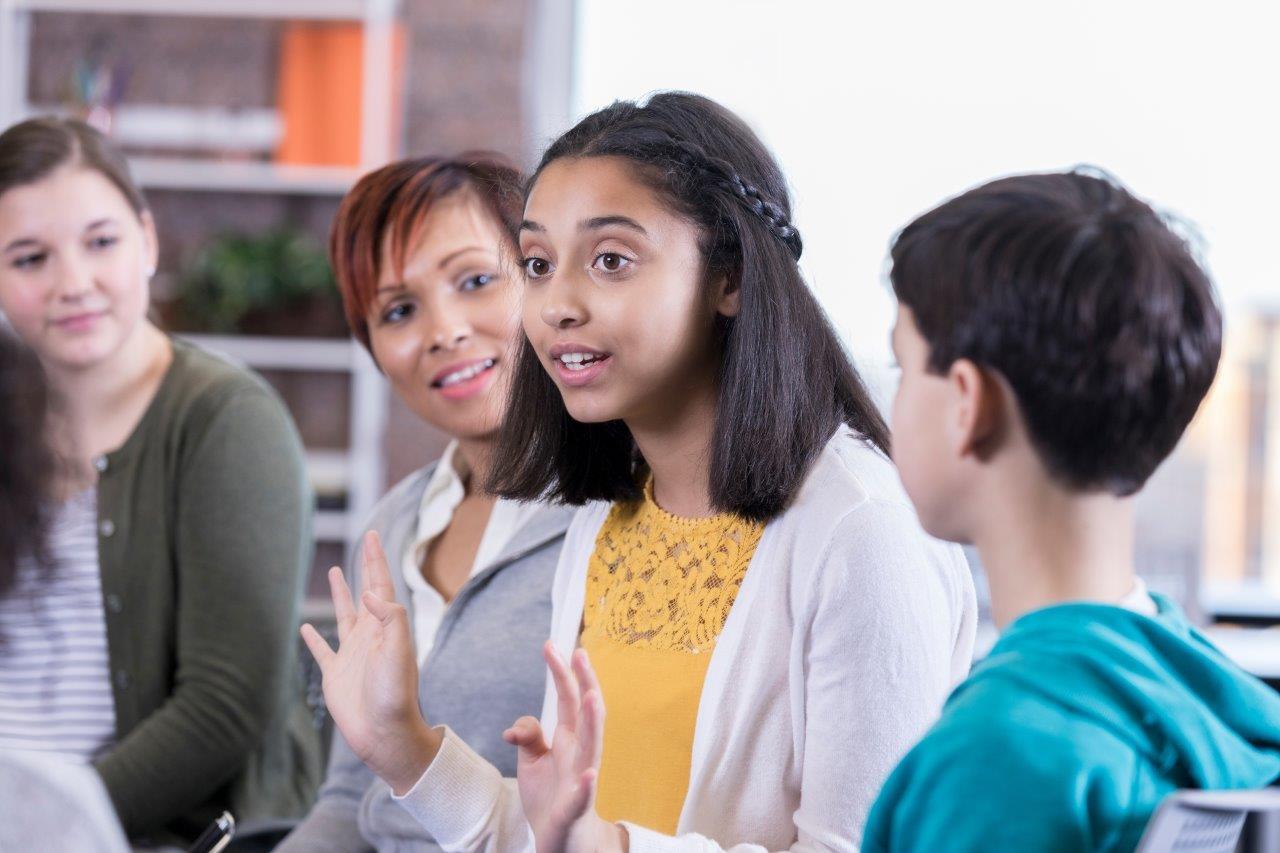
The research, led by Penn State College of Education’s Professor Dana Mitra, examined how “student voice practices” (SVPs) take root in schools. SVPs include structures and activities – such as advisory councils, classroom discussions or shared decision-making – that allow students to contribute meaningfully to school and classroom policies.
Published in Teachers College Record: The Voice of Scholarship in Education and funded by the Bill & Melinda Gates Foundation, the study found that successful SVP implementation depends on:
- Cognitive mindsets: Beliefs that students have the right to voice, can provide unique insights and can be partners in driving change.
- Emotive “heartsets”: Relationships built on trust and safety, where students see teachers as allies.
- Intention-building skillsets: Training, structures and systems that support both students and teachers in sustaining SVPs.
These three dimensions reinforce each other, Mitra says.
For example, strong relationships (heartsets) can help shift mindsets toward genuine partnership, while well-designed structures (skillsets) create more opportunities to build trust.
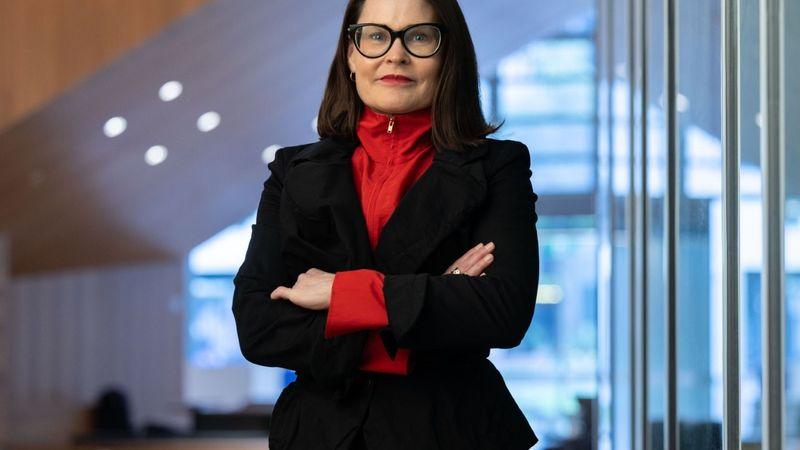
“Student voice is more than a program or an event — it’s about creating a culture where students are seen as partners,” Mitra, who has published more than 60 papers on student voice, youth development, civic engagement, and educational change, says.
“That doesn’t happen by accident. Teachers need the mindset that students have a right to be heard, the relationships that make students feel safe to share and the skills to structure those opportunities.”
The researchers focused on four schools — two high schools and two middle schools — in a large urban district in the western United States known for promoting SVPs.
All four serve majority Latiné student populations, with significant proportions of other historically marginalised students.
While the district has made student voice a priority at the policy level, implementation has varied widely.
The researchers conducted in-person interviews, observations and focus groups in March, April and May of 2022 and the same period during 2023, supplemented by online sessions in between.
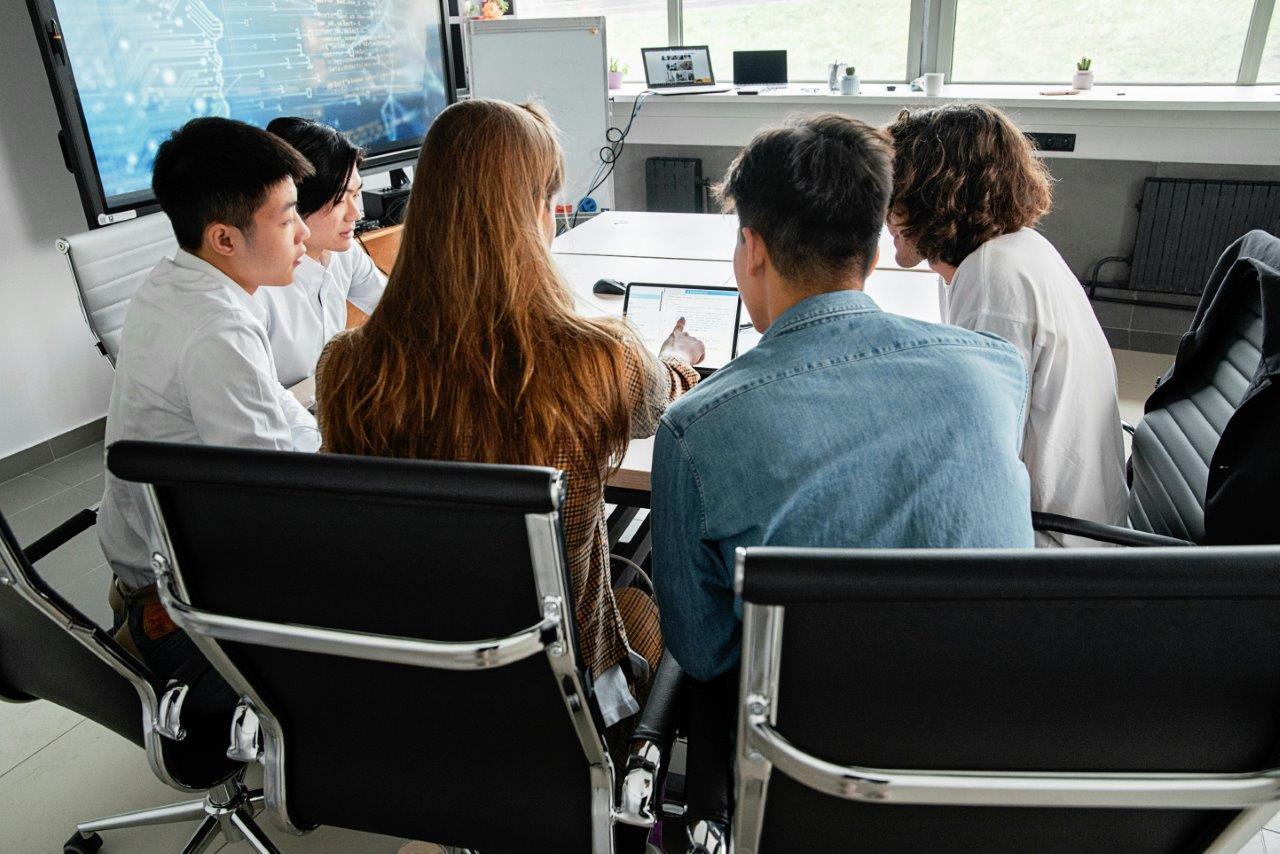
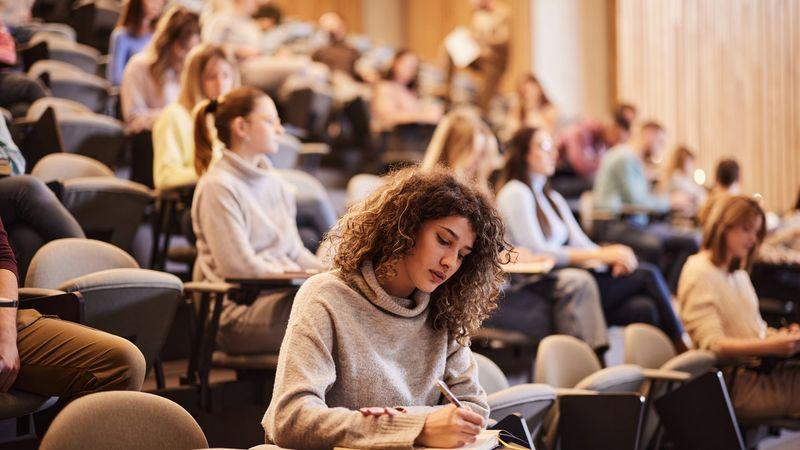
In multiple focus groups, students said they wanted more chances to contribute ideas, but only if they felt safe – physically and emotionally – in those spaces.
Both high schools consisted of approximately 1500 students, while the middle schools served 1000 and 1500 students, respectively.
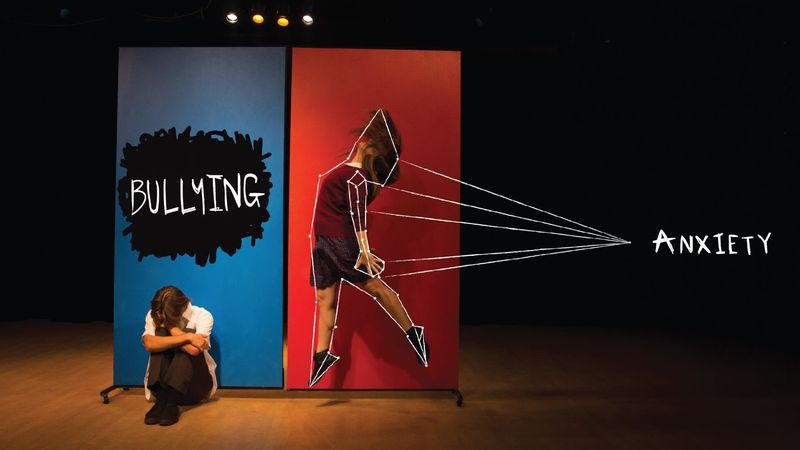
The results revealed a tension between aspirations and day-to-day realities, according to the researchers. Even in schools that wanted to prioritise student voice, safety concerns and high staff turnover often took precedence.
In multiple focus groups, students said they wanted more chances to contribute ideas, but only if they felt safe – physically and emotionally – in those spaces.
In practice, the study found that the heartset dimension – trust and safety – often had to be addressed before the other two could take hold.
In some schools, frequent physical altercations during lunch periods forced administrators to restructure the school day, separating students into smaller, same-age groups to reduce conflict.
At another campus, staff members patrolled corridors, bathrooms and hidden corners to deter fights and theft — sometimes scattering groups of students, only to have them reconvene elsewhere.
“Before students can speak up, they have to trust the adults and feel safe in the building,” Mitra says.
“That’s why the emotional heartset is just as important as the mindset. You can believe in student voice all you want, but without trust, students won’t share honestly.”
Students themselves drew a sharp contrast between “calm” classrooms, where teachers listened and adapted, and “wild” classrooms, where even well-intentioned teachers were drowned out by noise and disruption.
Mitra notes that teacher and administrator turnover can disrupt all three dimensions.
Frequent staffing changes can erode trust, disrupt training continuity and shift school priorities away from student voice initiatives.
Leadership, the researchers found, plays a critical role in buffering these disruptions.
When school leaders embedded SVPs into their vision, budget and daily practices, they could keep the work moving forward even amid personnel changes.
“When you lose staff, you lose relationships, you lose institutional memory and you often lose momentum,” Mitra says.
The findings suggest that districts aiming to expand student voice should address safety concerns first, ensuring students feel secure in sharing their perspectives.
Training for both teachers and students can then build the skills needed for collaboration and shared decision-making, while structures such as advisory circles or reciprocal mentorships give those relationships room to grow.
Finally, leadership stability and a clear commitment to SVPs help sustain the work over time, even when schools face challenges such as budget cuts, competing priorities or unexpected crises such as the COVID pandemic.
“Leaders can make a huge difference by protecting student voice work from getting sidelined,” Mitra says.
“That means embedding it in the school’s vision, providing ongoing training and making it part of ‘how we do things here.’”
The researchers are also developing tools to measure relational trust – a theme that emerged strongly across all sites.
“We know SVPs can improve school climate, boost engagement and make learning more relevant,” Mitra shares.
“The question now is how to create the conditions where they can thrive, even in challenging contexts.”