CQUniversity’s Professor Ken Purnell says while stronger safeguards are important, the bigger challenge is ensuring people don’t surrender their own judgement to increasingly capable AI tools.
“Everyone is asking whether AI can think like humans. The more important question is whether humans will keep thinking for themselves,” Purnell says.
“AI is neither a saviour nor a villain. It’s a tool, and like any tool, its value depends entirely on the skill and judgement of the person using it.”
The comments come as governments around the world consider new approaches to AI governance amid growing public concern over misinformation, job disruption, privacy, energy use and the rapid adoption of generative AI.
Purnell’s latest paper, Attack AI: Keep Your Brain in Charge, argues that while much of the public debate has focused on regulating artificial intelligence, far less attention has been paid to helping people use it critically and confidently.
“The public conversation tends to swing between blind enthusiasm and blanket avoidance,” Purnell says.
“Neither response is particularly helpful.
“We need a third path – one where people understand what AI can do, what it can’t do, and how to use it without outsourcing their own thinking.”
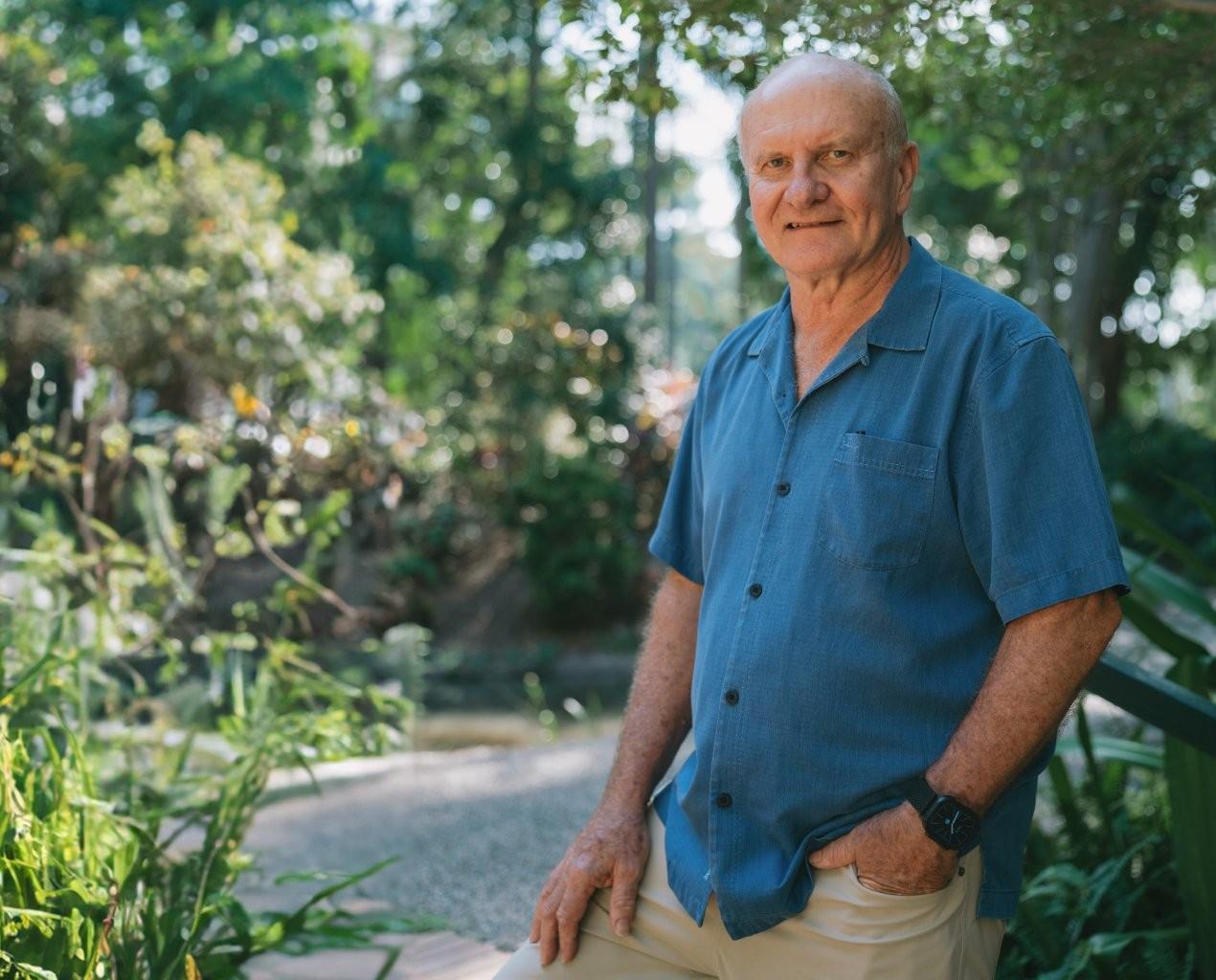
“The future won’t be decided by how intelligent AI becomes,” Professor Purnell says. “It will be decided by whether we keep exercising the intelligence we already have.”
Drawing on educational neuroscience and current research, Purnell explores why public distrust of AI has grown, why chatbots can produce convincing but incorrect information, and why emerging research suggests over-reliance on AI may reduce the mental effort that underpins learning and expertise.
Purnell says one of the greatest misconceptions was believing AI systems “know” things.
“Large language models are designed to predict words, not verify facts,” he says.
“They’re remarkably good at sounding confident, but confidence isn’t the same as accuracy.”
Rather than fearing AI, Purnell believes Australians should learn to question it.
“We should treat every AI response as a first draft – not the final answer.
“The real risk isn’t that AI becomes more intelligent than humans. It’s that humans quietly stop engaging in the thinking that builds expertise, creativity and good judgement.”
Purnell’s work examines the environmental and economic costs behind the AI boom and offers practical, brain-aligned strategies for using AI as a thinking partner rather than a thinking replacement.
He said the debate about AI needed to move beyond headlines about whether the technology was good or bad.
“The future won’t be decided by how intelligent AI becomes. It will be decided by whether we keep exercising the intelligence we already have.”