A groundbreaking longitudinal study has revealed that peer influence is not a monolithic process, but instead, different types of peers exert influence over entirely different domains of a child’s life.
Researchers at Florida Atlantic University (FAU) and Mykolas Romeris University (Lithuania) conducted a long-term study to directly compare the two sources of influence.
Published in the journal Development and Psychopathology, the study is the first to simultaneously compare the relative impact of best friends versus classroom norms, which are driven by popular classmates.
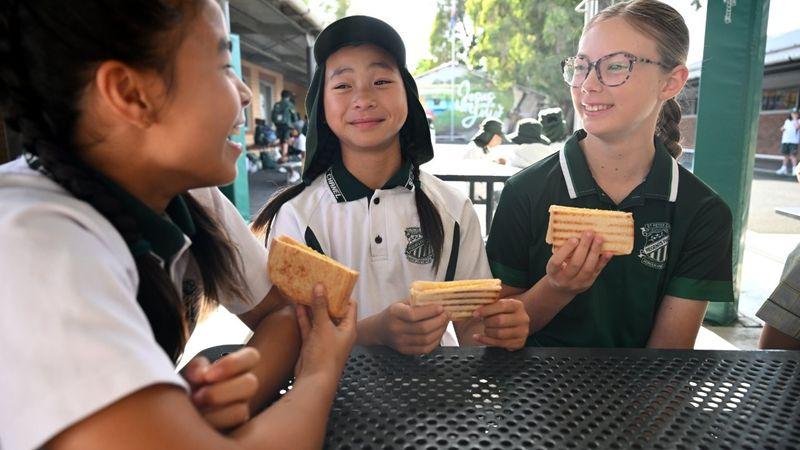
The investigators followed 543 students ages 10 to 14 across a semester, examining self-reports of academic performance, emotional well-being, problem behaviours, social media use and concerns about weight.
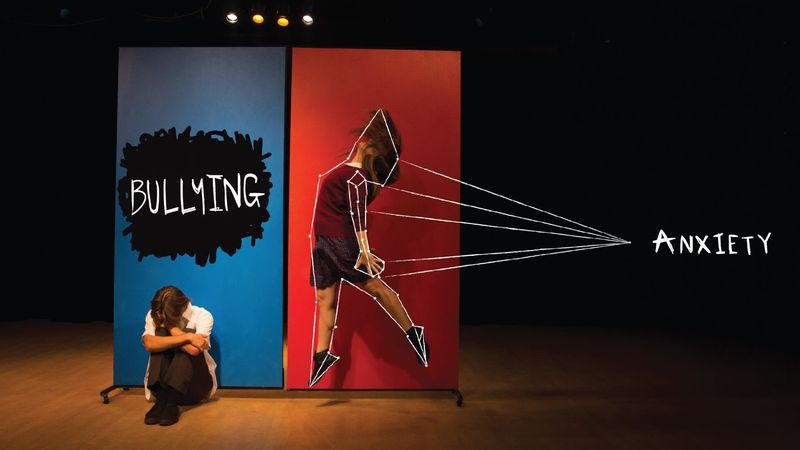
The findings indicate that while best friends primarily shape a child’s internal emotional state and academic behaviour, popular peers set the standard for public image and social media engagement.
Participants also identified their best friends and classmates they considered popular.
Popularity norms described classmate behaviours in each domain, weighted by popularity scores.
“This is the first study to put best friends and popular peers in the same model and ask, ‘Who matters more, and for what?,’” Dr Brett Laursen, a professor of psychology in FAU’s Charles E. Schmidt College of Science, says.
The findings revealed a striking pattern.
Best friends primarily shaped a child’s internal emotional states and academic behaviours, whereas popular peers set the standard for public image.
Specifically, best friends were the primary influencers for behaviours reflecting internal dysfunction and maladjustment, including emotional problems, lack of emotional clarity, problem behaviours, and low school achievement.
Popular peers, by contrast, shape behaviours performed in view of others. Teens emulate high-status classmates in terms of social media use and weight concerns.
“Peer influence is too often treated as a broad, undifferentiated force, but our findings show it is actually highly specialised,” Dr Mary Page Leggett-James, lead author and associate researcher at Gallup, says.
“Adolescents are discerning; they look to their inner circle for emotional support and to the influencers and class leaders for social cues on how to present themselves to the world.
“Put differently, in the social economy of a middle schooler (10-14-year-old), best friends deal in the ‘private currency’ of emotions and adjustment, while popular peers control the ‘public market’ of social media and appearance”.
The study suggests that adolescents use different mental calculations to navigate their social world.
Friendships are based on reciprocity and intimacy, which promote shared experiences and emotional states.
In contrast, peer groups are organised hierarchically.
Conformity through public-facing behaviours like social media use and body image are important to maintaining status in the group. Thus, youth are not just blindly following others, they are using social strategies tailored to specific social settings.
“Friendships are powerful because they are private and emotionally intense,” Laursen says.
“Teens confide in their best friends. That closeness can provide support, but it can also amplify struggles.
Anxiety, disengagement from school, or acting out can spread between friends and have a snowball effect, Lauren shares.
“Appearance and online behaviour play out on a public stage.
“Popular students set the standard. Others follow because that is what earns approval in the wider peer group.”
The research offers vital insights for intervention. Because different peers shape different forms of maladjustment, uniform solutions may fail.
“Peer influence is powerful, but it is not one-size-fits-all,” Leggett-James says.
“Too often we treat peer pressure as if it comes from one place. But the source of influence matters.
“If we target the wrong peer dynamic, we risk missing the problem entirely. To reduce emotional distress or academic problems, we need to focus on friendship dynamics and help adolescents build positive peer connections – not try to ban or break up friendships.
At the same time, Leggett-James shares, issues tied to social media and body image require shifting status norms.
“When popular students display healthier, more realistic standards, they can redefine what classmates consider normal.”
To read the paper, titled, ‘Different peers influence different behaviors: Conformity to best friends and status-based norms across the transition into adolescence’, click here.