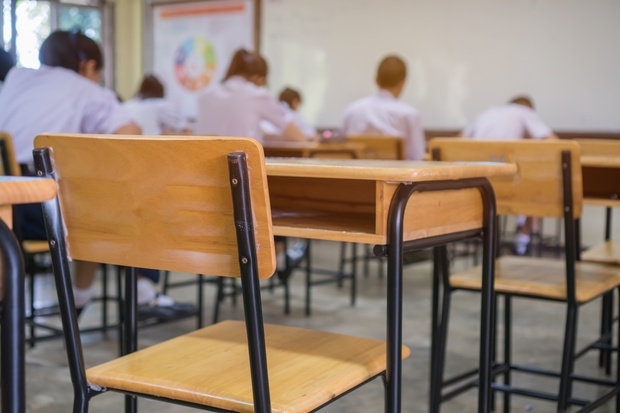
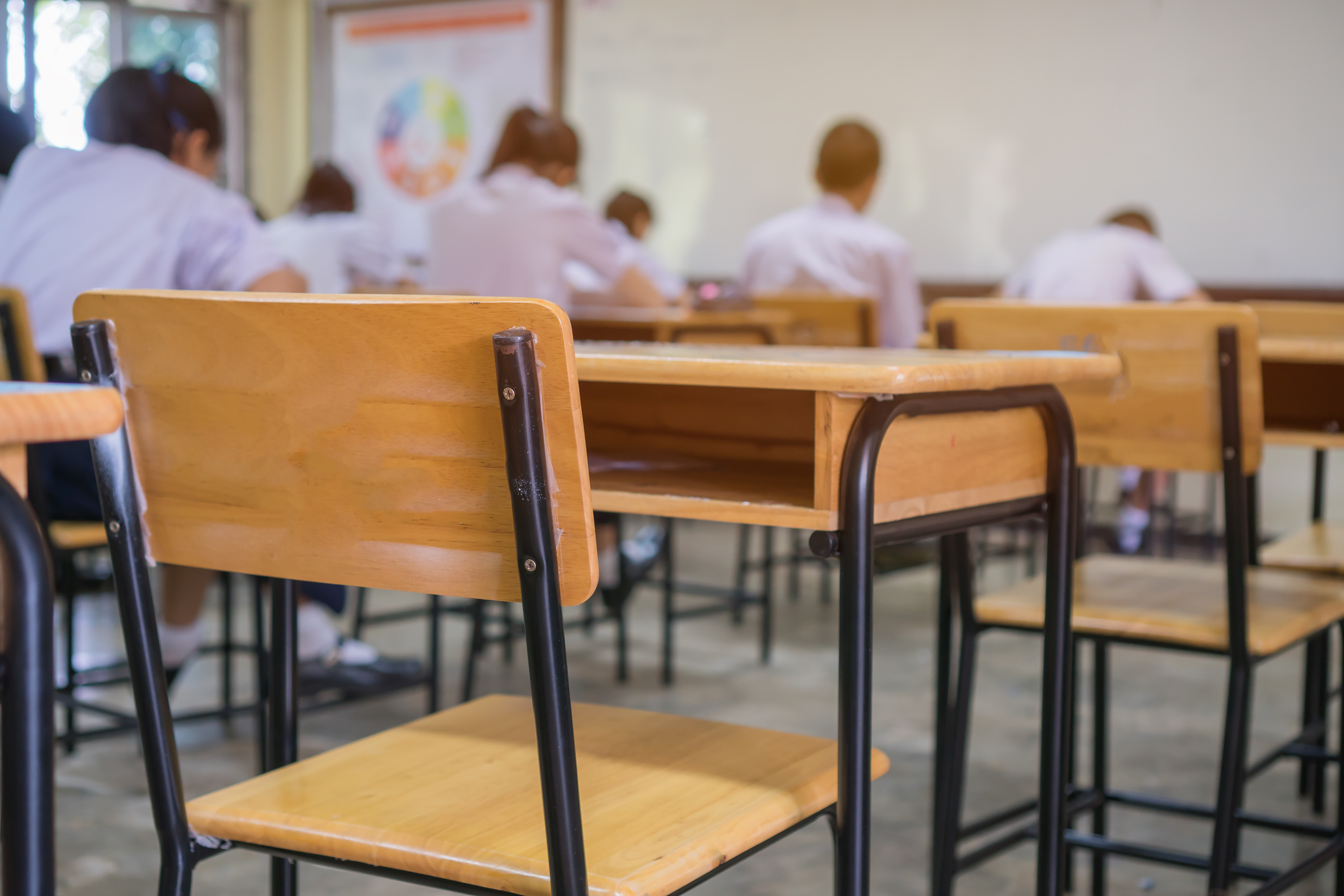
Mrs. Ginivin’s class have mostly finished their maths rotations and some are already beginning to pack up their folders, anticipating the bell.
It’s getting noisy in the room, the fluorescent light is flickering and the elderly air conditioner hums above the sound of chairs being scraped on floorboards and children starting to chatter.
Mrs. Ginivin has been working on fractions with a small group sitting on the carpet, and she does not pick up the early triggers from Paul who is sitting near the back of the room. Another student does though, and gently suggests offers Paul a fidget from a basket on the shelf nearby.
Paul takes the fidget and walks to a quieter area of the room, where he can put on his noise cancelling headphones and chill out for a few minutes before lunch. A few other students notice Paul move and motion to others nearby that it is a great time to bring the noise level down. One student wiggles his fingers at Mrs. Ginivin to get her attention, then nods towards Paul. She stands and raises her hand and the room is quiet.
A student hits the light switch to stop the flickering light, and the class sit still for a few moments, giving Paul the time and space he needs.
This isn’t exclusion, and it isn’t punishment or withdrawal from the class. It’s planned, it’s got buy in from the students and it’s based on what they all know about Paul.
He’s a classmate, a friend and a vital part of their group. They support him because that’s all they know how to do. They understand that meltdowns can happen, and when they do it’s fast, loud and deeply upsetting. They can’t imagine him not being in their class, and they collectively assume responsibility for giving him a hand when he needs it. They also know his creative skills, his sense of humour and his infinite knowledge of football make him a great companion and friend.
The knowledge and skills held by Mrs. Ginivin and her professional team means they have capacity to modify the teaching and learning program and can provide students with the support they need.
They are alert to early triggers that could herald a behavioural response, and they know that absolutely all behaviour is communication.
If they miss a message, they have taught other students to be behaviour alert as well. The students in this class can anticipate Paul’s needs if they occur, and they know it is part of good communication to notice changes in body language as well as spoken words.
Unfortunately, not all teaching and learning settings have a Mrs. Ginivin and team. Sometimes students such as Paul are on the receiving end of suspensions and exclusions as a go to tool for managing behaviour.
Sometimes a lack of understanding of early indicators or a lack of experience and training can set the stage for meltdowns that are distressing for everyone.
Meltdowns are not poor behaviour. Children who experience meltdowns are not in a position to control what is happening without support and care.
Meltdowns are a response to a situation and can happen particularly for autistic students when they are overwhelmed, fatigued or their needs are misunderstood.
In NSW in 2022, around 30 000 suspensions were given to students with disability. The statistics in Queensland are similar, at around 35 000. We also know In Tasmania, approximately 30 per cent of the suspensions given in that state were for students with disability.
Let those figures sit with you for a moment, and consider the learning opportunities missed and the valuable class time lost.
Each of those numbers represents a child who is not in a school, and is not spending time with friends, sharing learning activities and playing outdoors.
While we don’t know the breakdown or details of what was happening in each of these suspensions, it is likely that a good proportion were related to behaviour.
Denying children with disability access to the learning environment does not make for better learners, or for better teaching and support.
What does make a difference is having buy-in from the wider school community, capacity held within the whole teaching team and a realisation that inclusion means everyone, with the support they need to thrive.