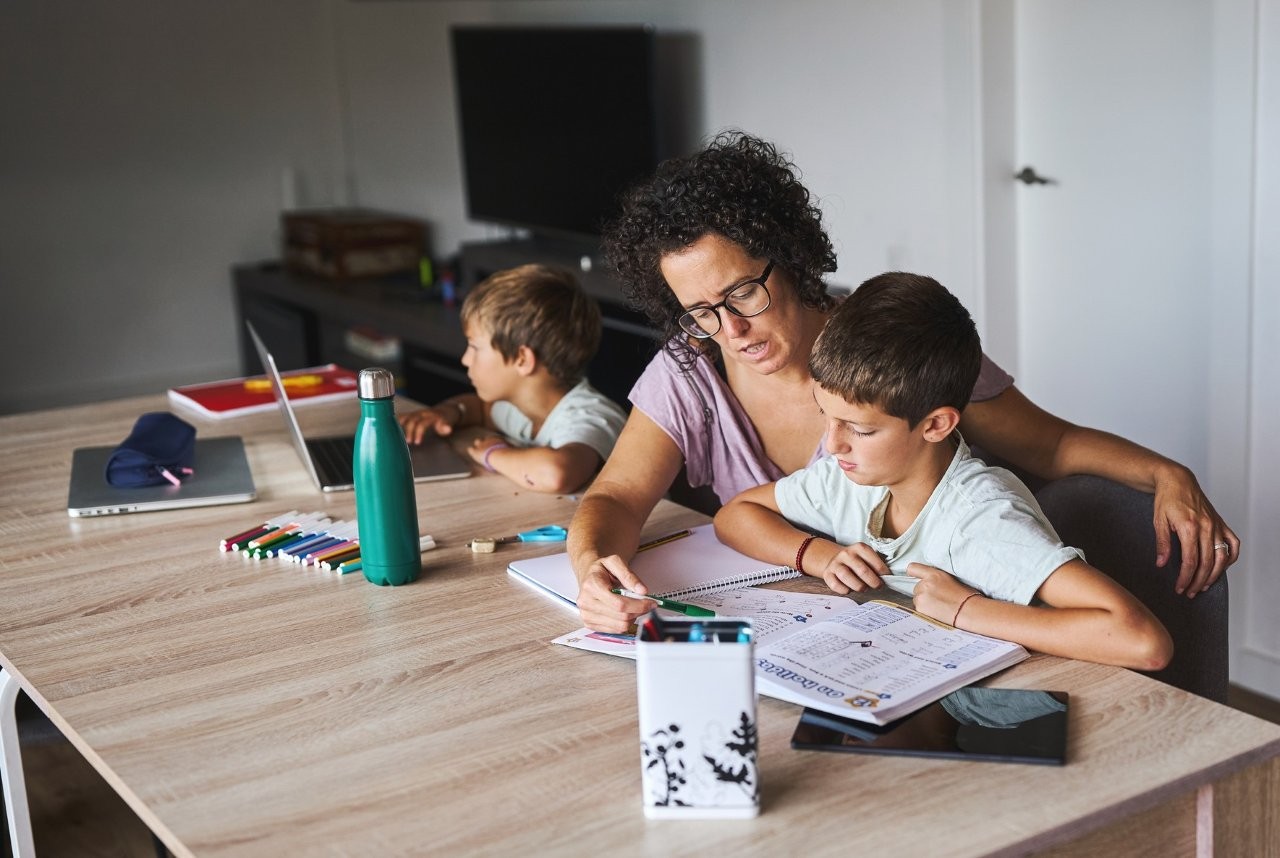
“Rather than asking whether homeschooling is good or bad, we should be asking what children need to learn, develop and thrive, and whether the educational environment they are in is providing those things,” Professor Ken Purnell CQUniversity’s Head of Educational Neuroscience says.
“For some children, that will absolutely be a conventional school. For others, it may be homeschooling, distance education or another model.
“The challenge for education systems is to make sure that children are not falling through the cracks simply because the standard model does not work for them.”
Recent national figures indicate the number of children being homeschooled has roughly doubled since around 2018-20, reaching about 45,000 students enrolled, compared to around 4.1 million enrolled school students.
While NSW figures released in November 2025, revealed homeschooling registrations in the state increasing from 5907 in 2019 to 12,762 in 2024, Queensland has recorded one of the country’s steepest increases as families seek alternatives to traditional schooling.
The state has experienced particularly strong growth, with numbers increasing by more than 160 per cent since 2020 and around 12,000 students receiving a homeschool education.
Purnell says the growth is being driven by both families seeking greater flexibility and parents looking for alternatives when traditional school environments were not working for their child.
“Most of the reasons families choose homeschooling are what I would call ‘repellent’ factors rather than ‘attractant’ factors,” Purnell says.
“Bullying, school refusal and a poor fit between the child and the school environment can push families to look for another option, particularly when they feel their child’s needs, including neurodivergent needs, are not being adequately met.
“There are also families attracted by the flexibility – they may want to travel, accommodate a particular family lifestyle or simply give their child the opportunity to learn at a different pace.”
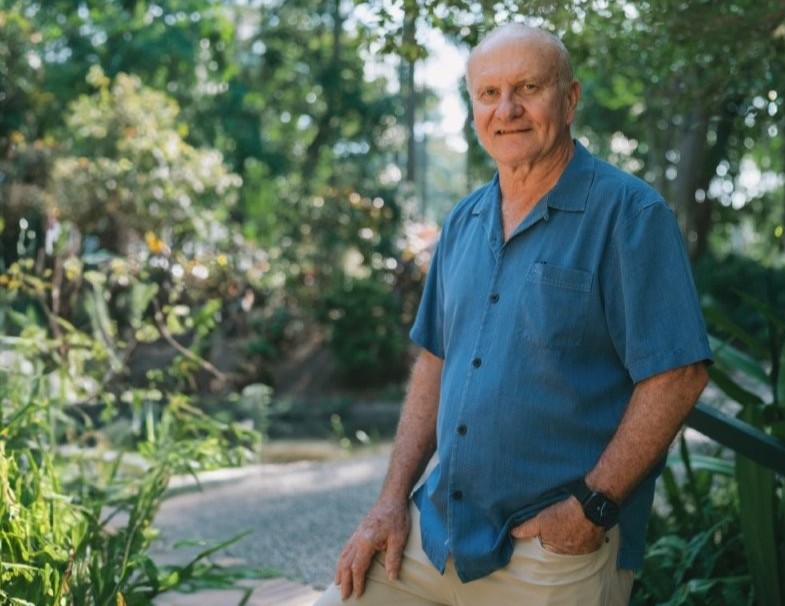
Professor Ken Purnell says there is a perception that children who are homeschooled are less socialised, “but the evidence does not support such a simple conclusion”.
While numbers were growing before the pandemic, there is no doubt that COVID provided a boost.
Many families found their child was happier at home, and also reported that with the flexibility better suiting their child, returning to school just didn’t appeal to them.
Some parents now report their child is receiving a better education and is much more comfortable learning at home.
“School is the main social hub for most children, but for a real minority it can be the opposite – it can be a place of exclusion rather than connection,” Purnell says.
“There is a perception that children who are homeschooled are less socialised, but the evidence does not support such a simple conclusion.”
Some studies suggest homeschooled children can be quite confident socially because their social world may extend beyond a single classroom of same-age peers, Purnell argues.
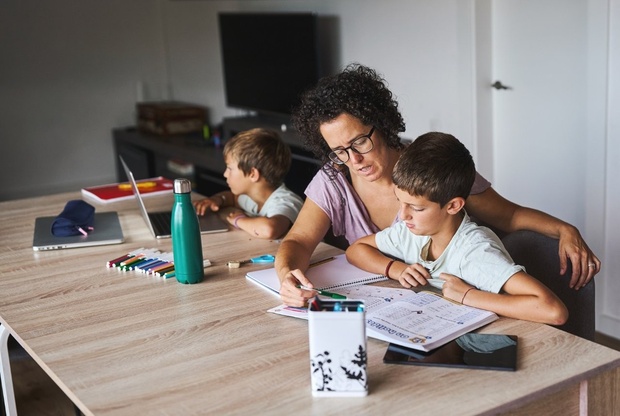
“For some children, particularly those who have struggled in mainstream education, homeschooling can provide an opportunity to get away from a bad-fit environment, tailor learning to the child and maintain strong family connections,” he says.
“It can work particularly well for some neurodivergent children when mainstream schools have not been able to provide the flexibility or support they need.”
However, Purnell cautions that the flipside is that for parents, homeschooling also places considerable responsibility.
“Homeschooling can be a very heavy load for parents,” he says.
“It requires considerable time, money and expertise, and families can experience very different levels of support and oversight depending on where they live.”
Another big issue is regulation, and some homeschoolers say managing the reporting requirements can be daunting and very stressful.
Reporting requirements vary across the country.
In Queensland, families have to complete a report every 12 months showing progress in a high quality education, while in New South Wales education authorities make home visits where parents discuss their plans and activities.
Where a young person has neurodivergence, additional learning needs, or distress due to school experiences, reporting can be harder because families may struggle to show progress.
It is clear homeschooling has transitioned from a niche or ideological choice into a mainstream alternative, supported by a growing market of digital platforms, online curricula, and parent-led community co-ops.
Queensland University of Technology Education lecturer Rebecca English told ABC News in January last year that attitudes around education and parenting are changing.
“You look at the people who are taking a year off to go travel … or people who are just more willing to let their kids have a day off here and there,” she said.
“Things have really changed about how we perceive our relationship with institutional school.”
Broad research – including local tracking and international studies reviewed in reports like NSW Government Academic Outcomes Review – indicate that homeschooled students perform comparably to or slightly above mainstream peers in standardised testing (such as NAPLAN, for those who take part) and university entrance/graduation rates, though some studies note typical dips or variations in mathematics performance.
Purnell argues we need to recognise that the research base is still relatively thin.
“Much of the evidence is correlational, so we need to be careful about claiming that homeschooling itself causes particular educational or social outcomes,” he says.
The homeschooling boom is also occurring alongside growth in distance education, providing another pathway for families seeking alternatives to daily school attendance.
English says without a wholesale change to classroom culture, it’s likely that the numbers of families who choose homeschooling will continue rising.
“Teachers and other staff in classrooms need more resources so that they can help young people before they leave school,” she said in an opinion piece last year.