For years, Victorian teachers have been sounding the alarm on an education system running on the smell of an oily rag.
Chronic staff shortages, growing administrative burdens, and salaries that have fallen behind their counterparts in every other Australian state and territory have pushed teachers to the brink.
In March, a strike that saw over 35,000 teachers and support staff flood the streets of Melbourne to campaign for pay and conditions that better reflect their status as seasoned professionals, propelled negotiations.
The Victorian branch of the Australian Education Union (AEU) negotiated an in-principle agreement with the Allan Labor Government on May 15.
Despite the support for the in-principle agreement, in an historic vote, 57.7 per cent of the voting AEU members disagreed and voted against the deal, making it clear that the proposed improvements to pay and conditions do not go far enough.
Criticisms of the agreement include the unchanged number of face-to-face teaching hours, a refusal to limit mandated meeting times, and a failure to prevent class sizes exceeding 26 students in primary and 25 in secondary schools.
Voting members also criticised the abandonment of the call for a 35 per cent pay increase over three years. They claim that wages have fallen significantly below inflation and that the offer of a 28 per cent increase over four years would not return them to a reasonable level in relation to inflation.
Further, the proposed agreement prevents negotiations should inflation spike again. Given that the final increment of the pay increase does not come into effect until 2029/2030, there is a real risk that further inflationary pressures would disadvantage teachers even more.
These levels indicate serious issues with student engagement. Supporting students to connect with school and succeed in their education requires teachers who feel that their work is worthwhile and that they are appreciated.
While parents may have found this frustrating, it is important that they understand the reasons that teachers are taking these actions. It is not just about their pay, but it is about improving the quality of the education their children receive.
Victorian teachers have made it clear that they will no longer accept being the most overworked and underfunded in the country. Unless a significantly improved offer is made in the meantime, such measures will continue and another strike is likely in Term 3.
We can no longer rely on the goodwill and free labour of a workforce pushed to its limits – 2026 has brought Victoria to a crossroads. Teachers have stood up and spoken; it is now up to the Government to decide if they are really listening.
Disclosure: research published in the Education Workforce for the Future impact lab is funded in partnership with the AEU Victoria Branch.
This story first appeared on the Lens website. The original article can be read here.
Australia’s national education evidence body has spent years telling schools what works. Now, following a damning independent evaluation, governments want to establish a new one.
Victoria has made significant commitments to improving educational outcomes for First Nations students through Marrung: First Nations Education Strategy 2026–2036.
When students choose their Year 11 and 12 subjects, they are deciding more than their pathway to university. They are choosing the kinds of learning and experiences available to them.
Dr David Roy, University of Newcastle ·
Get EducationHQ in your inbox
The week's news for educators, from the classroom to the staffroom to policy. Free.
With Victorian students still sitting VCE exams and the VCAA hacker claiming that hundreds of them bought stolen 2026 papers, Jill Macmurchy, head of security and compliance platform Engineering Solutions APJ at Vanta, shares her expert insights to put those claims in context.
Language matters in education. Not simply the language written into policies, but the words chosen by those responsible for leading our education system. Words communicate expectations, reinforce assumptions and influence how school communities understand inclusion.
Assoc Prof Janine Arantes, Dr Bec Marland and Dr Andrew Welsman ·
We know many children and teens are turning to AI chatbots to answer tricky questions, seek help and even find companionship. An eSafety survey of 1950 Australian children aged 10 to 17 found 78 per cent had used an AI chatbot and, of those, 54 per cent used them for personal or social reasons.
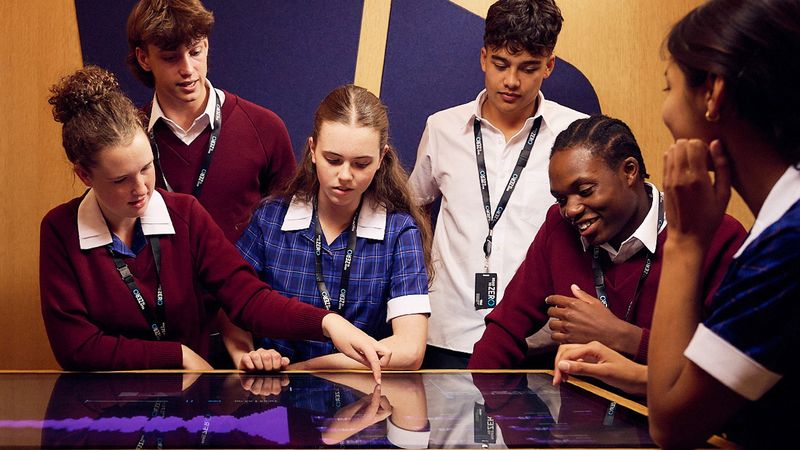
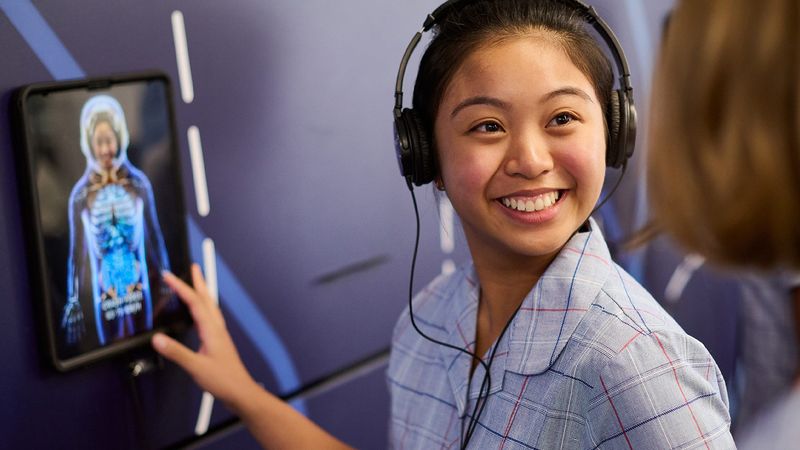
Through powerful simulations and real-world scenarios, Road to Zero demonstrates why the human body cannot withstand major collision forces and highlights the critical importance of vehicle safety features, safe road design and safer choices.
Free state-of-the-art road safety education program that comes to your school! Road Smart Interactive immerses students in real-world scenarios that challenge thinking, spark discussion and leave a lasting impact beyond the classroom.
Your Adventure Starts Here!Fun and excitement awaits your next school camp–nestled in north-east Victoria, we provide a range of adventure activities for an action-packed camp, making it a popular destination for all primary and secondary schools.