

A group of advocacy bodies is calling on the state’s political leaders to outline how they will strengthen inclusive education.
Children and Young People with Disability Australia (CYDA) CEO Skye Kakoschke-Moore says both major parties have so far failed to commit to long-term inclusion, despite one in four students in Australia receiving educational adjustments for a disability.
“Children and young people with disability have the same right to learn, participate and belong at school as their non-disabled peers,” Kakoschke-Moore says.
“Yet their experiences and needs are being treated as an afterthought this election, as though they don’t need to be accounted for when mapping out the future of South Australia’s education system.
“That’s surprising given the state has shown leadership on inclusion in the past by establishing the country’s first Autism Minister and an Autism Inclusion Teachers initiative. With the right commitment, it could lead the nation in inclusive schooling.”
While Labor and the Liberals have each promised some investment in infrastructure and public school fee reduction, neither has committed to broader systemic inclusive education reform, according to CYDA.
Yet the advocacy organisation claims a clear pathway already exists with its recently launched South Australia Roadmap to Inclusive Education providing a staged 15-year plan that outlines practical steps to support inclusive education across the state.
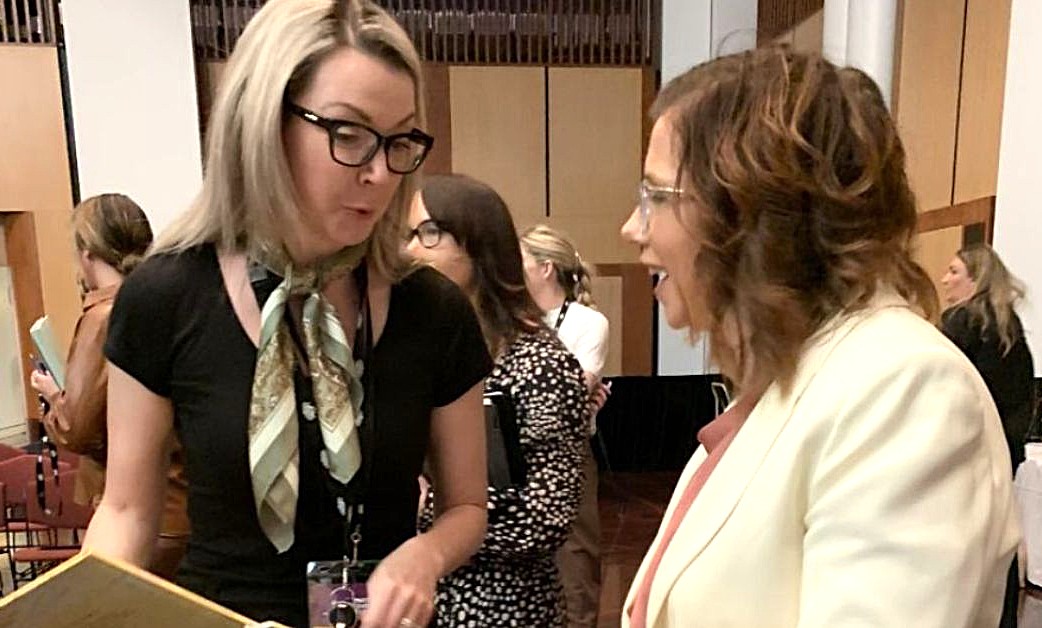
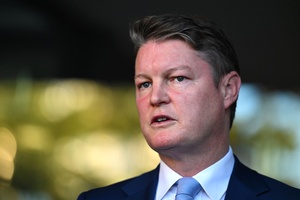
CYDA CEO Skye Kakoschke-Moore says despite SA showing leadership on inclusion in the past, neither of the major parties have shown any real interest in committing to long-term inclusion in the state’s schools.
Developed in consultation with 719 South Australian teachers, families, and students over 12 months, in the process of putting together the roadmap, CYDA found that 86 per cent of teachers wanted more training to support disabled students, 85 per cent of families wanted their child educated alongside their peers and only 24 per cent of students felt their school had a culture inclusive of disability.
Kakoschke-Moore says it is clear educators, families, and students agree more has to be done to support teachers, improve culture, and strengthen inclusive practice.
“Like many states and territories, South Australia is grappling with consistent teacher shortages and burnout,” she says.
“This plan recognises that supporting teachers with tools, training and resourcing also means supporting children and families who just want to be included.”
Tracey Wallace, Interim CEO of disability advocacy organisation JFA Purple Orange, which supported the SA Roadmap project, says education is a key issue raised by the disability community.
“Inclusive education benefits everyone,” Wallace says.
“The Disability Royal Commission made that clear when it called for an end to segregated education settings. Yet two years on, we are still waiting to see meaningful action.
“We’re calling on the incoming South Australian Government to commit to a co-designed inclusive education strategy – one that invests in inclusive practice, builds workforce capability, and stops the creation of new ‘special’ schools or segregated units.”
For ten-year-old Jerzy Ashley from Adelaide, the difference true inclusion at school can make is clear.
Without the support of his arts teacher, the Year 5 student and disability advocate with cerebral palsy may not have discovered his passion for political art.
“Because I have fine motor challenges, art used to be one of my least favourite subjects,” he said at the launch of the SA Roadmap in early February.
“[But when my teacher] introduced me to political comics … she opened up a whole new world for me.
“So while I have faced barriers and challenges and not all of my experiences at school have been inclusive, I have also had teachers and education support officers who have gone above and beyond to make sure that I am included.
“When inclusion is normal at school, it helps me build the skills, confidence and independence I will need for university and for a career in politics.”
What the major part are promising in education in SA Election 26
Liberal
- $130 million for the Boosting South Australian Apprentices Program.
- $120 million investment in basic maintenance and infrastructure at government schools.
- $12.7 million a year to double annual grants for capital works at non-government schools.
Labor
- $210 million to upgrade classrooms and buildings over the next four years, including $10 million to strengthen inclusive environments.
- $150 million in total for technical colleges at Gawler, Marden and Murray Bridge.
- $148 million to abolish public school fees.
- $96 million for a full redevelopment of Mount Barker High School.
- $45.5 million to give every public primary school child access to Outside of School Hours Care (OSHC).
- $29 million for 1000 new university, trade and entry opportunities to study essential skills such as construction management, civil and structural engineering, carpentry, electrical, plumbing and bricklaying.
- $27 million to help deliver the skills necessary for building nuclear-powered submarines at Osborne as part of the AUKUS program.
- $25.5 million to construct a new TAFE Trades Workshop in Mount Barker to support 1200 additional apprentices in plumbing, electrical, carpentry and wet-trades.
- $22 million plan for students to receive one term of organised before or after-school activities, free of charge every year.
- $19 million for free school camps for Year 7s.
- $14.4 million to provide 16-18 year olds access to sport and music vouchers worth $200 every year.
$8.6 million upgrade to Fraser Park Primary School in Murray Bridge. - $5 million for 250 additional apprentices.
- New guidelines for government schools and preschools to regulate the use of technology in the classroom, such as screens and devices.
- A plan to introduce 150 minutes of active learning per week for public school students from reception to Year 9.